Pilgrimage
Christian Pilgrimage Tours
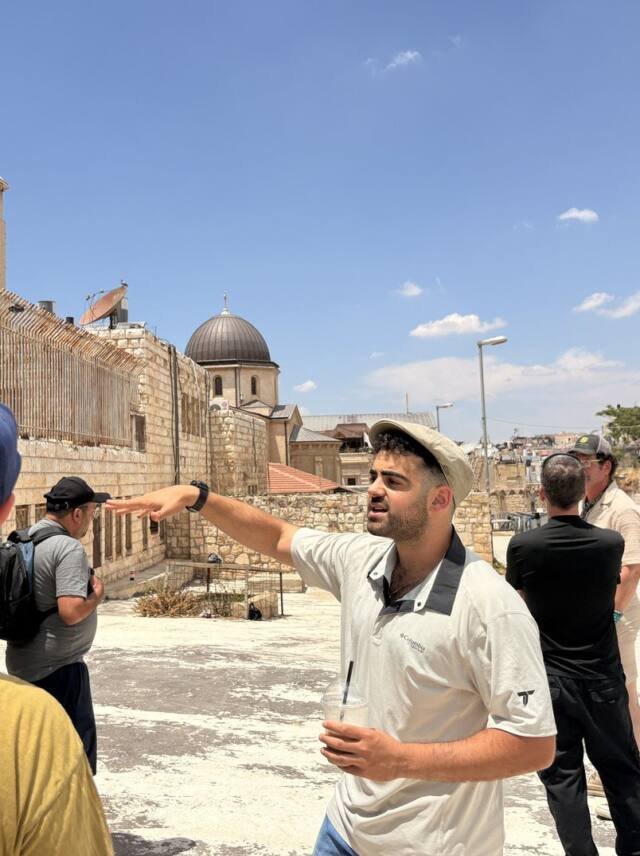
Private Christian pilgrimages following the Gospel geography — Nazareth and the Galilee, the Jordan, then Jerusalem — with time to pray and sit still at each site.
A Christian pilgrimage to Israel follows the Gospel geography in the order it happened: Nazareth and the Galilee where the ministry began, the Jordan River, then Jerusalem for the final week. Private pilgrimages allow time to pray, read and sit still at each site, which is the part fixed coach itineraries almost always cut.
What makes a pilgrimage different from a tour?
Pace, mostly, and what the stops are for.
A tour is built around seeing. A pilgrimage is built around being somewhere, which takes longer, needs quieter hours, and often means returning to one site twice rather than adding a third. Groups frequently want to read the relevant passage at the place, celebrate Mass or take communion, and sit for a while afterwards without a coach waiting.
That is straightforward to build and very hard to retrofit onto a fixed departure. It is the main reason pilgrimage groups end up private.
Where does a pilgrimage go?
The Gospel sites cluster into three regions, and most itineraries run them in narrative order rather than by geography.
-
01
Nazareth & the Galilee
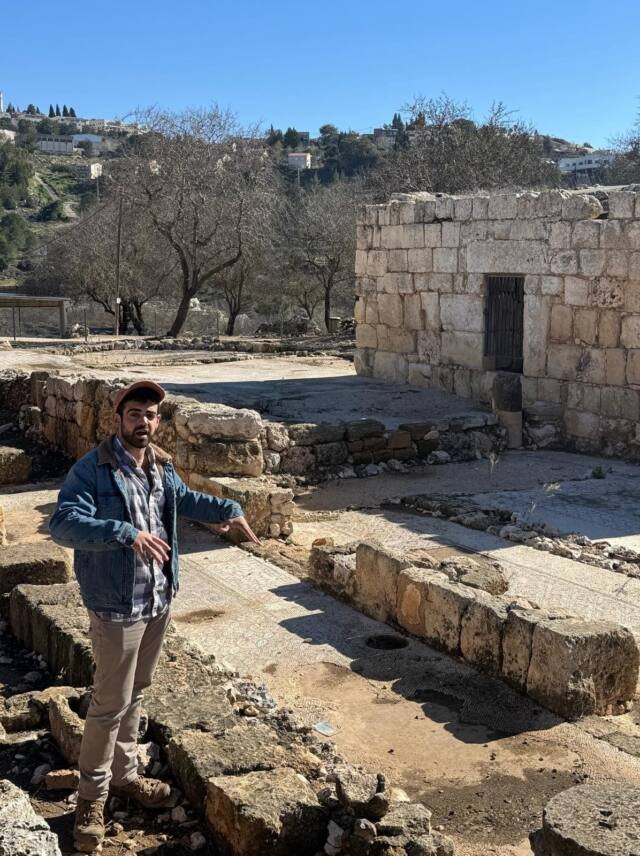
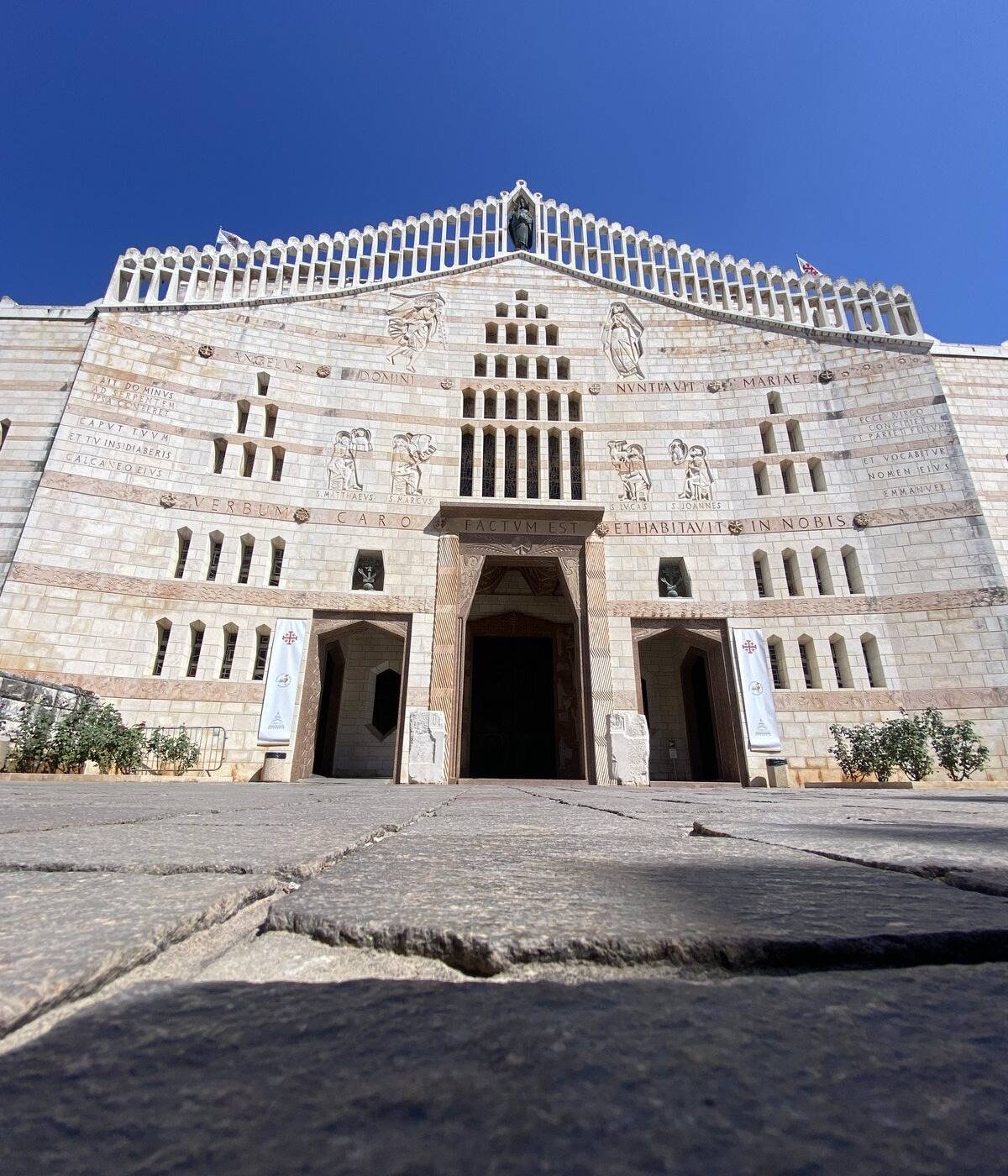
The Basilica of the Annunciation, Capernaum, Tabgha, the Mount of Beatitudes, Magdala and a boat on the lake.
-
02
The Jordan & the wilderness
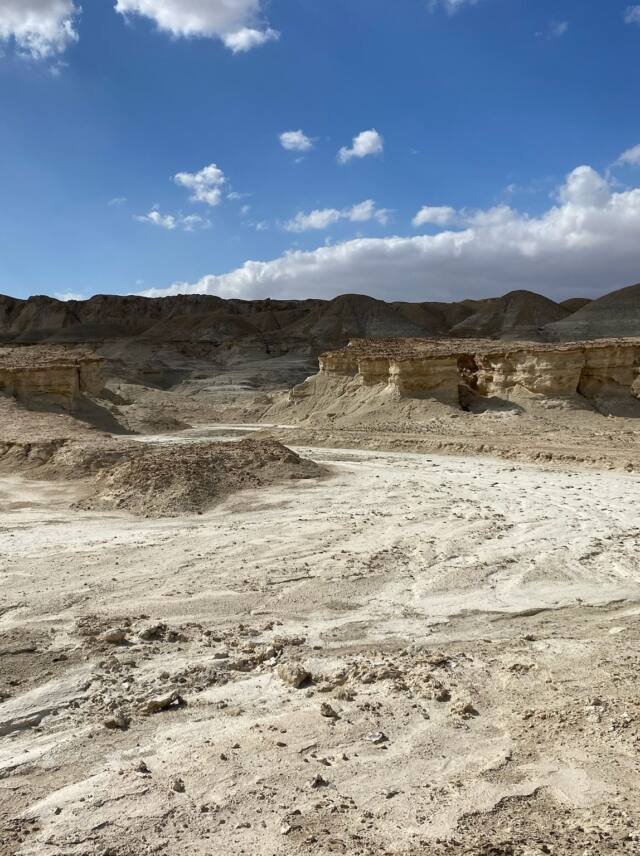
The baptism site at Qasr al-Yahud, Jericho, the Mount of Temptation, and the desert the forty days are set in.
-
03
Jerusalem
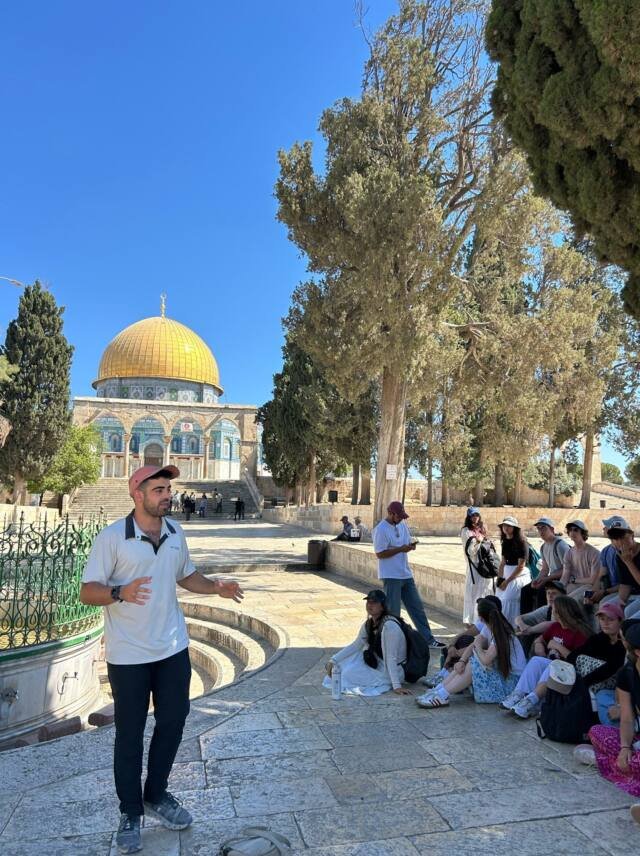
The Mount of Olives, Gethsemane, the Via Dolorosa and the Holy Sepulchre.
-
04
Bethlehem
The Church of the Nativity and Shepherds’ Field. In the Palestinian Authority, so a local guide takes over at the crossing.
What we handle for pilgrimage groups
- Mass and services
- Chapels at the major sites are bookable in advance for groups traveling with their own priest or minister. We arrange the slot; you bring the celebrant.
- Quiet time
- Built into the schedule rather than squeezed. Gethsemane and the Mount of Beatitudes in particular are worth an unhurried hour.
- Readings at the site
- Time and a sensible place to gather at each stop, away from the main flow of visitors where possible.
- Renewal of baptismal vows
- At Qasr al-Yahud on the Jordan. Changing facilities and white robes are available on site.
- Denominational detail
- Catholic, Orthodox, Anglican and Protestant groups care about different sites and different traditions attached to them. Tell us which and the commentary follows.
- Accessibility
- Pilgrimage groups often include older travelers. Several key sites have real steps; we plan around them rather than leaving people at the gate.
How long should a pilgrimage be?
Seven to ten days is the standard, and it is standard for good reason: it allows three days in Jerusalem, two or three in the Galilee, and the Jordan and Bethlehem without compressing anything.
Five days works if you accept that the Galilee gets one day rather than two. Under five, choose either Jerusalem or the Galilee and do it properly. Trying to cover both in three days produces a lot of driving and very little stillness.
When to come
Holy Week in Jerusalem is the most powerful and the most crowded week of the year. If your group wants the liturgy, come then and accept the crush. If your group wants the sites, come in November or late spring, when the same places are quiet enough to hear yourself think.
The seasonal guide covers the rest, including the weeks to avoid entirely.
Common questions
Are the sites authentic?
It varies, and we will tell you which is which. Some are archaeologically strong: the first-century synagogue foundations at Capernaum, the house venerated as Peter’s from the first century onward. Others are Byzantine or Crusader identifications with no earlier evidence, and a few are frankly medieval tradition. Knowing the difference makes the strong sites land harder, not softer.
Can a Jewish guide lead a Christian pilgrimage?
Yes, and it is common in Israel. Guides are licensed by the Ministry of Tourism and trained across all the traditions. What you get is the Second Temple context the Gospels are set inside, which is often the missing half of the story. Where the question is liturgical rather than historical, that is your celebrant’s part, not the guide’s.
Do we need our own priest?
Only if you want Mass or a service. Chapels can be booked for groups traveling with a celebrant; without one, the sites are still open to you and the readings still happen.
Is Bethlehem included?
Usually. It sits in the Palestinian Authority and a local guide takes over at the crossing: routine, and arranged for you. Access depends on current conditions.
What does it cost?
Quoted per group. Numbers, season, length and how much accommodation you want handled all move it. Ask and we will come back with a figure.
Walk it in the order it happened.
Nazareth and the Galilee, the Jordan, then Jerusalem for the final week — with the hours to stand still that a fixed departure cannot give you.