Private day tour
Beit She’an to Megiddo
The Jezreel Valley: the only easy road between Egypt and Mesopotamia, fought over by every empire that passed. Beit She’an, Ein Harod, the burial caves of Beit She’arim and the 26 cities stacked at Megiddo.
The Jezreel Valley is one of the most important valleys in the Land of Israel. For thousands of years it has served as a crossroads for armies, civilizations, biblical figures, pioneers and bird migration — from dramatic biblical stories to the agricultural communities that helped shape modern Israel.
Why the geography decides everything
This was the only easy route between Egypt and Mesopotamia. Every empire that wanted to move an army in either direction came through this valley: Egyptians, Assyrians, Babylonians, Persians, Greeks, Romans, Crusaders, Napoleon, the Ottomans, the British. It is one of the most fought-over pieces of ground on the planet, and standing at a viewpoint above it you can see exactly why: it is flat, it is wide, and there is no way around.
Beit She’an
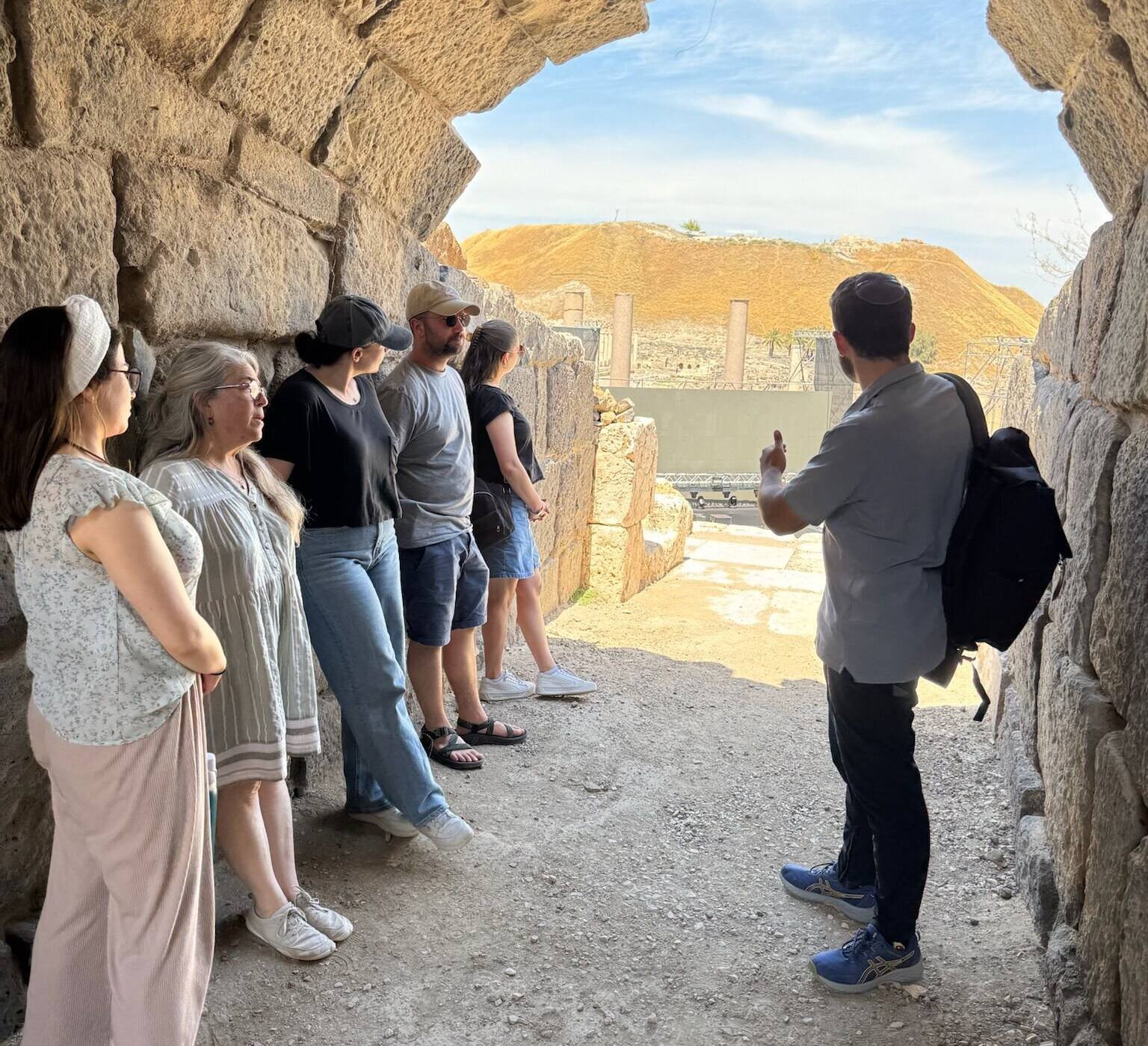
We start our day at ancient Beit She’an, one of the oldest cities in the world. This site is one of my favorites — why? Its theatre and Roman bathhouses are more impressive than Caesarea’s, yet hugely underrated. Here we follow the biblical stories through the city and ask questions about Jews in Roman cities: were Jews allowed to be gladiators?
Ein Harod
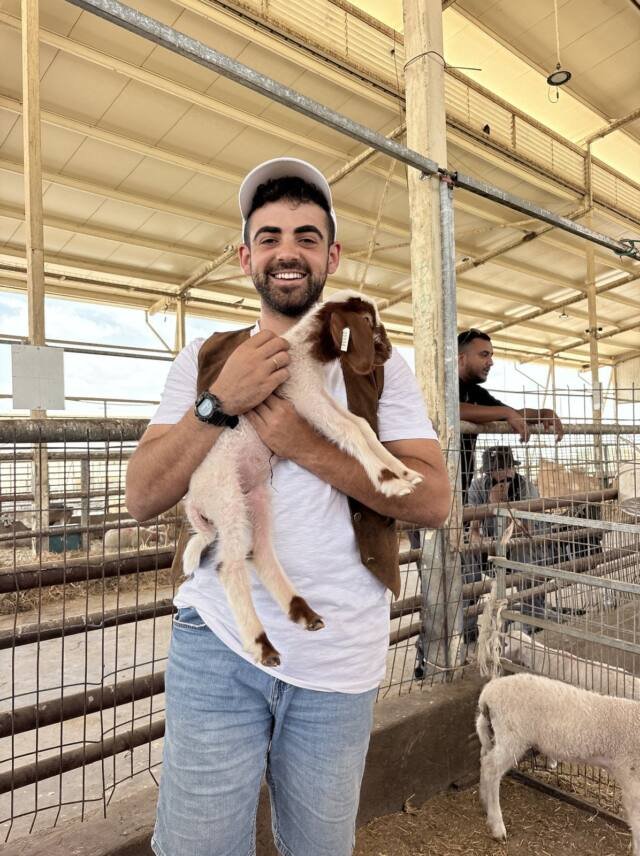
Ein Harod is the spring where Gideon selected his three hundred men by watching how they drank. It is a pleasant, shaded spot, and the account is far easier to follow standing at the water. We can also walk up to a beautiful viewpoint, which happens to be the burial place of one of the men who bought back the land in modern times.
Beit She’arim
Beit She’arim is a complex of burial caves cut into the hillside, and it is genuinely remarkable. After the Bar Kochba revolt, when Jews could not be buried in Jerusalem, this became the principal Jewish necropolis. Rabbi Yehuda HaNasi, who compiled the Mishnah, is buried here. The caves hold hundreds of sarcophagi carved with menorahs, animals and human figures — I can only compare it to how I felt seeing the mummies in Cairo.
Megiddo
Megiddo is a tel, an artificial mound built up from around 26 layers of successive cities, each built on the rubble of the last over roughly six thousand years. It is a UNESCO World Heritage Site and the clearest possible demonstration of how these mounds form.
The remains include a Canaanite gate, Iron Age stables usually associated with Solomon, a large circular altar, and a water system you can walk through. The first recorded battle in human history happened here — with a named commander, a date and a written account.
Swapping options
Mount Gilboa — Where Saul and Jonathan died fighting the Philistines. The Gilboa is one of the best wildflower sites in the country; in February and March the slopes carry the Gilboa iris, which grows nowhere else, along with anemones and cyclamen. If you are here in late winter, the timing is worth planning around.
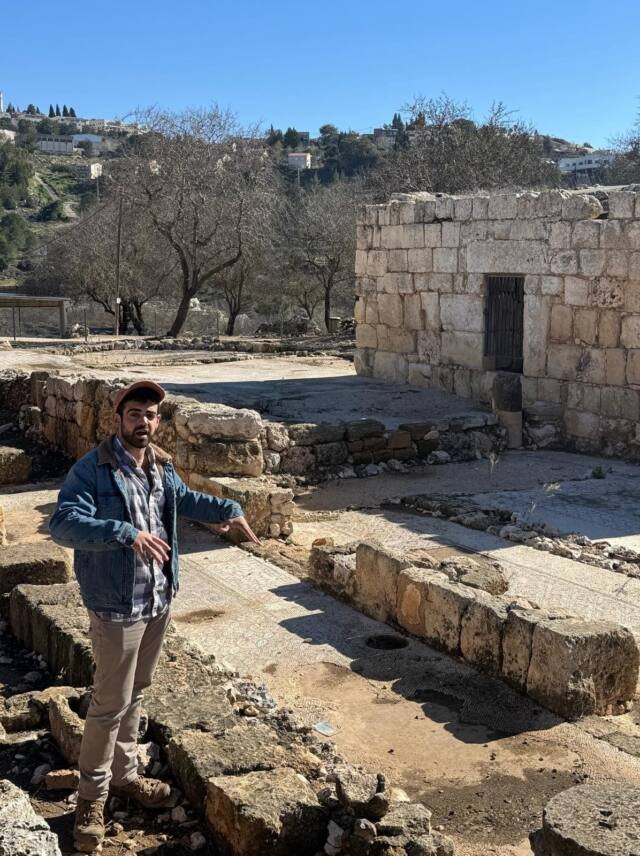
Beit Alpha — A sixth-century synagogue with a mosaic floor in astonishing condition, including a full zodiac wheel with Helios driving a chariot at the center. It is not what most people expect to find on a synagogue floor, and the conversation it opens about Jewish life under Byzantine rule is one of the more interesting of the day.
Natural springs — Near Beit She’an lie some of Israel’s most beautiful springs. Ask Yona and he will recommend some amazing spots. Bike riding, motorbikes, hiking and more exist in this area too.
Practical notes
A full day, roughly seven to nine hours. The valley is about 90 minutes from Jerusalem and a similar distance from Tel Aviv.
The stops are spread out, so this is a driving day with walking at each site rather than a continuous walk. That suits mixed-ability groups well.
Megiddo’s water tunnel involves a long flight of steps down and a climb out; it is skippable without losing the site. Beit She’arim’s caves are cool, level and easy. Gilboa’s viewpoints are roadside.
Late winter and spring are the best of it — green valley, wildflowers on Gilboa, comfortable temperatures. Summer is hot and the valley is exposed.
We usually pick three or four sites rather than all of them. Trying to do the entire list turns a good day into a forced march.
- Swapping options
- Mount Gilboa and its irises in late winter, the Beit Alpha synagogue mosaic, the natural springs around Beit She’an, bike riding, hiking