Food experience
Baka Food Tour
Discover the hidden corners of Derech Beit Lechem in Baka: through food, stories, and the people who bring the street to life. Five curated tasting stops, each bite telling the story of a neighborhood still in the middle of becoming itself.
What you taste
Tastings may include — 5 stops, adjusted to the day and the season.
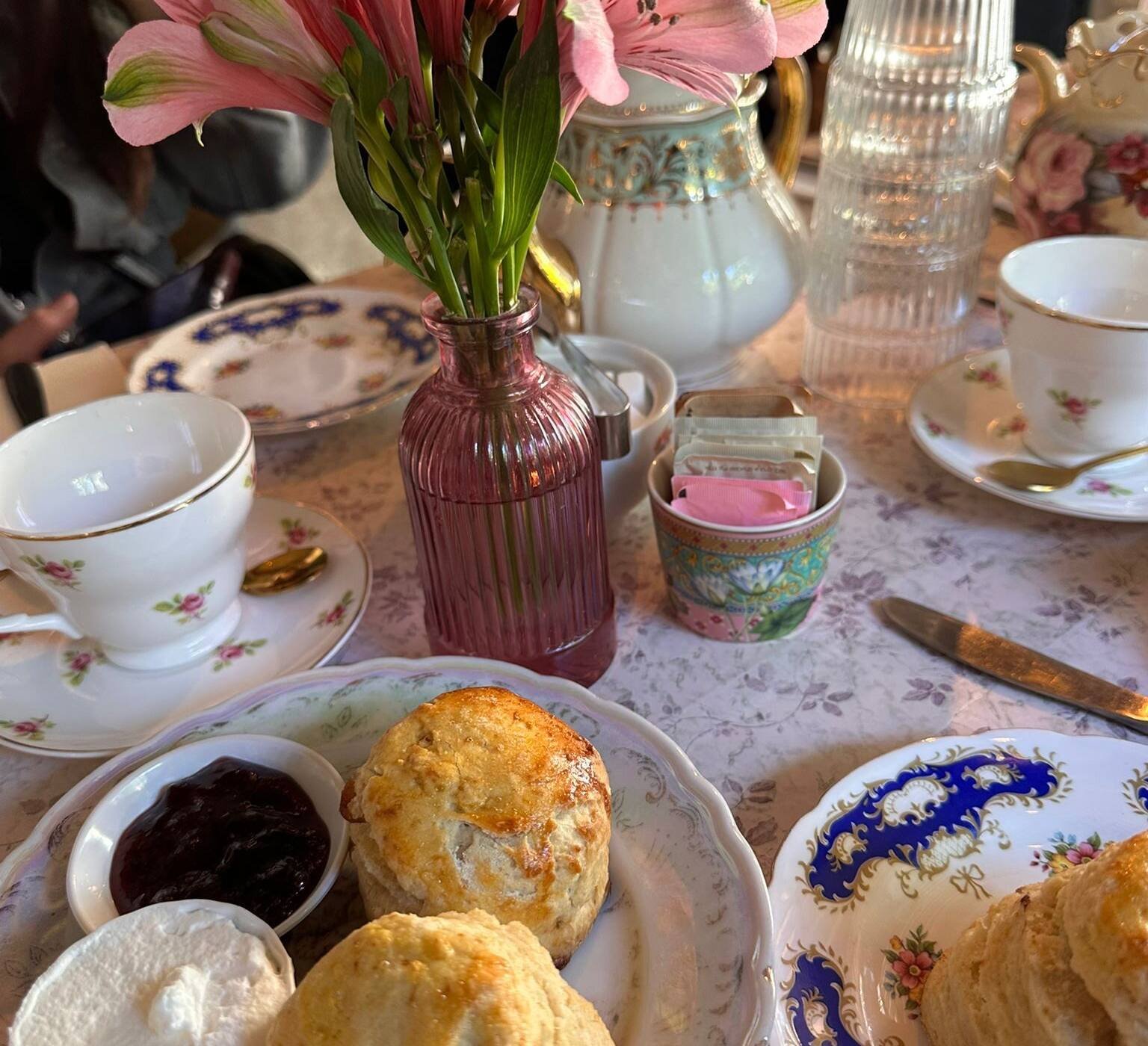
- Kumkum tea house Scones, tea, and a finger sandwich
- Tziga ice cream A Tzigon — their small magnum
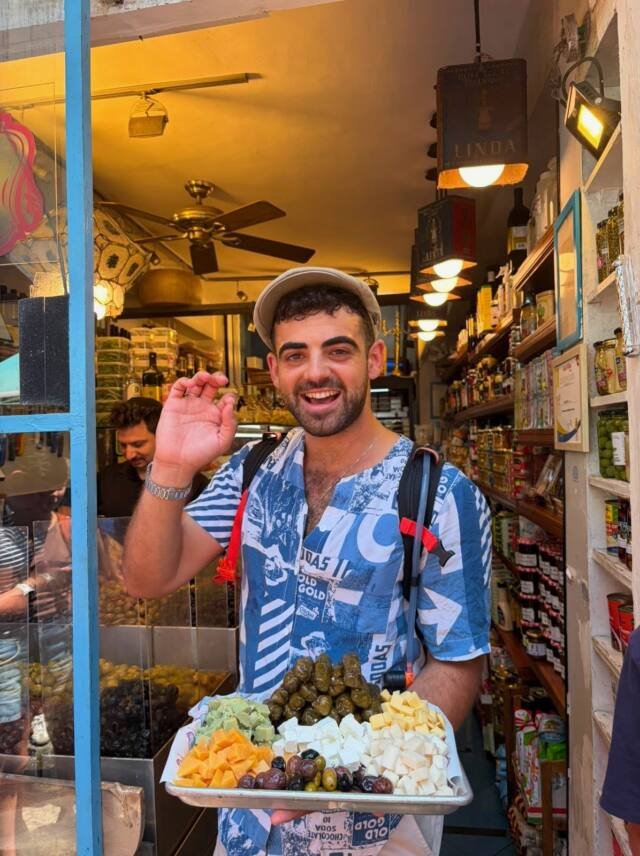
- Beit Lechem bakery Cheese plate, sourdough, and dips
- Casa Lavi Coffee of your choice
- Falafel Oved Falafel — frying since 1953
This is a full sensory experience — see, hear, smell, touch, and, of course, taste your way through Baka. Across five curated tasting stops, discover how a quiet Jerusalem neighborhood evolved into the vibrant mix of old and new that it is today.
Along the way, we’ll meet local personalities, uncover hidden stories, explore Baka’s architecture and history, and enjoy some of the best flavors the neighborhood has to offer. Every tour is personalized to your group, creating an authentic, local, and unforgettable Jerusalem experience.
Why this street
Baka is south of the German Colony, and until 1948 it was an affluent Arab suburb of villas and gardens. The stone houses with their arched windows and high ceilings are still standing; most of them now hold families who arrived in the decades after, from Iraq, from Morocco, from Kurdistan, from Brooklyn. Very little was knocked down. It was simply absorbed.
Derech Beit Lechem — the Bethlehem Road — is the spine of it. It is a working street, not a restored one. The tour works because everything on it is within a few hundred meters, which means you spend the time eating and talking rather than traveling between stops.
The stops
Kumkum is a tea house that still bakes its own scones, and it is where we usually start because it slows everyone down. The tea list is longer than it needs to be, which tells you something about the people running it.
Tziga makes ice cream with a following that extends well beyond the neighborhood. The flavor list moves with what is actually in season, which in Israel means it moves a lot.
The Beit Lechem bakery is the reason a certain kind of Jerusalemite walks to this street rather than driving past it. The sourdough is the headline. The pastry case is the reason people are still there twenty minutes later.
Casa Lavi is the coffee stop, and a good one. The standard of coffee in Jerusalem has risen sharply in the last decade and this is a fair place to see where it has landed.
Falafel Oved has been frying since 1953. It has outlasted every business that has opened and closed around it, through three wars and every economic shift the country has had. That kind of continuity is rarer in Jerusalem than the age of the city would lead you to expect, and it is worth understanding why this counter survived when others did not.
What the tour is actually about
The food is the reason to come. The subject is the neighborhood.
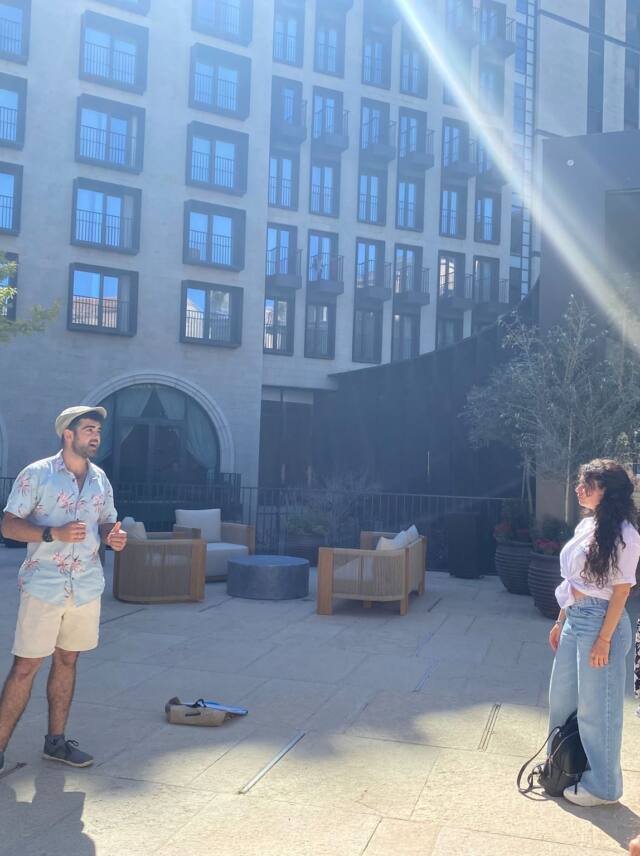
Between the stops we talk about who lived in these houses before 1948 and who lives in them now, how a street like this absorbs successive waves of immigration without ever quite settling, and why a certain generation of Israelis decided that opening a small, serious food business in a residential neighborhood was a life worth having. You will hear some of that from me and some of it directly from the people serving you, which is the better version.
It is a full sensory experience — see, hear, smell, touch, and taste — and the shape of it bends around your group. A family with young children moves differently from a company team on an afternoon out, and the tour should reflect that rather than ignore it.
Practical notes
Two and a half hours, on foot, covering a few hundred meters of gently sloping street. It is not physically demanding.
Every stop is fully kosher. This is not a tour where you will be asked to make judgement calls about a particular counter.
Allergies and dietary restrictions are accommodated with notice. Tell us in advance and the stops are adjusted rather than apologized for. Vegetarians eat extremely well on this route. Vegans eat well with a little planning.
Pricing is quoted per group and depends on numbers, season and how long you want to spend. The food at every stop is included. Ask and we will come back with a figure.
You will not need dinner afterwards. People consistently underestimate this.
Best in the late afternoon, when the street is busiest and the light on the stonework is worth the walk on its own. It runs year-round; Jerusalem winters are cold but the stops are all indoors.
Who it suits
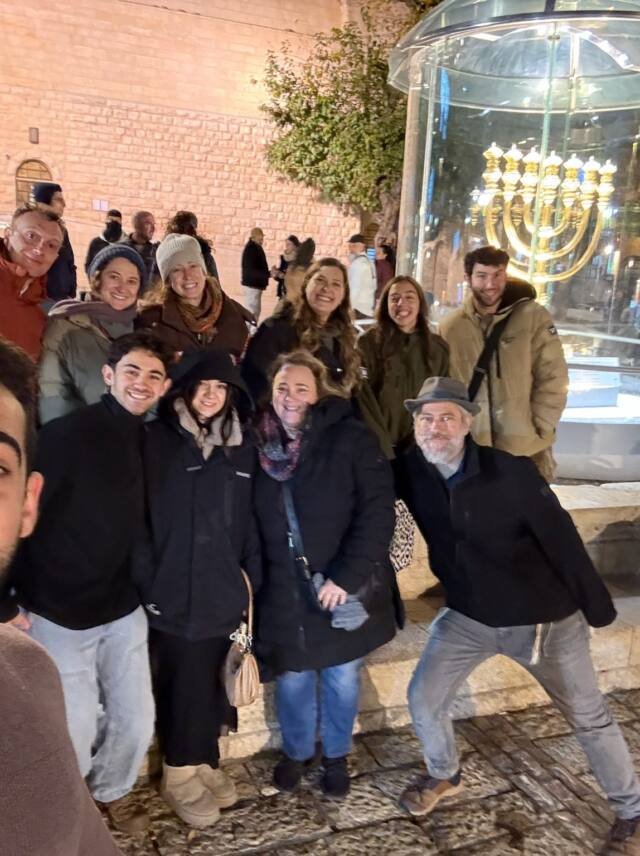
Companies looking for something that is not a restaurant booking. Communities and visiting groups who want a couple of hours that are social rather than solemn. Families — including families with teenagers, who tend to arrive skeptical and leave having eaten more than anyone.
It also works well as a first evening in Jerusalem. It is low-effort, it is genuinely enjoyable, and it puts you in a real neighborhood rather than a hotel dining room on your first night in the country.
- Tastings may include
- Kumkum Tea House — scones, tea and finger sandwiches; Beit Lechem Bakery — sourdough, cheeses and homemade dips; Tzigon — artisanal ice cream; Casa Lavi — specialty coffee; Falafel Oved — a neighborhood institution since 1953