

Masada
Herod’s clifftop fortress above the Dead Sea and the last stand of the Jewish revolt. Cable car or Snake Path, when to hike it, sunrise logistics, how long to allow, and why you should give the whole day to the area.
Masada is one of the places people arrive at with a complete story already in their heads. Herod the Great built a fortified desert palace here. Jewish rebels held it during the First Jewish-Roman War. Josephus later wrote that the defenders chose death rather than surrender. The account is central to the story of Masada, but it is also a historical account to examine rather than a slogan to repeat. Then you arrive and discover that the mountain itself is the first subject.
It rises above the Dead Sea, with the Judean Desert behind it and the water below. From the top, you can see why this was a fortress before you know anything about the history. The plateau is isolated, the cliffs are severe, and the approaches are exposed.
Getting up: cable car, Snake Path, or the western route
The easiest way up from the eastern entrance is the cable car. The Snake Path is the other eastern approach, and both are best if you are coming from Jerusalem or Tel Aviv. If you are coming from the south, there is a western walking path up, which is about a twenty-minute climb.
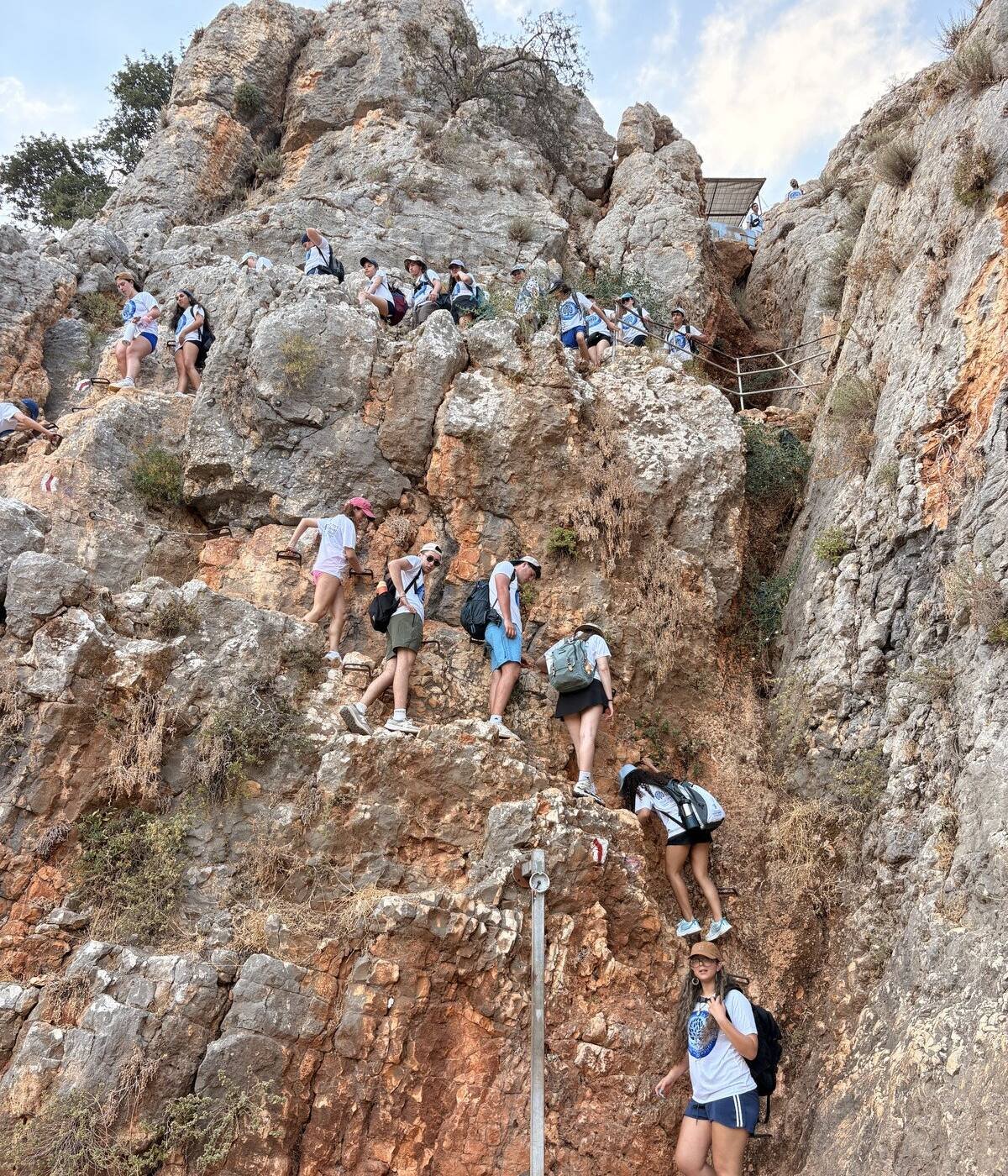
The Snake Path is not a symbolic little walk. It is a proper climb, and in the hotter months the heat matters more than the distance. If you want to walk, start early and bring water. If you are traveling with children, older family members or anyone who does not enjoy climbing in direct sun, the cable car is not a lesser version of the visit.
What is there to see on the summit
At the top, the best order depends on the group. Some people want the palace first. Some want the view. Some want the siege works and the Roman camps, because those are the parts that make the story physical rather than theoretical.
Herod’s northern palace is the obvious photograph, but the smaller details are often better: the bathhouse, the storage rooms, the cisterns, the painted fragments and the way the fortress was supplied.
The Roman siege works
The Roman siege ramp is still visible below. UNESCO describes the surviving works as the most complete Roman siege system of its kind. It looks simple until you understand what it took to build it under pressure, under observation and in that landscape. The mountain is not just a dramatic backdrop to the story. It is the reason the story happened there.
What Masada means
For Jewish visitors, Masada sits inside a longer history than the final siege: the Judean kingdom, Herod’s ambitious building program, the revolt against Rome, the destruction of the Second Temple and the survival of Jewish memory after it. The site later became a modern Israeli symbol of Jewish endurance and freedom. That modern meaning matters, but it should sit beside the archaeology rather than replace it.
How long do you need on the site?
Allow at least two hours on site if you want to understand the fortress rather than step out of the cable car, take a photograph and leave. Longer is better in cooler weather.
Masada is often combined with Ein Gedi and the Dead Sea, but the order matters. A sunrise visit is extraordinary and it also means a very early departure. Some groups love that trade. Some groups regret agreeing to it at 2:45 in the morning. I will tell you which one you are before we put it in the itinerary.
Masada with children
For kids this site can be a blast. The hike gives them an adrenaline spike of success, and at the end of the day it is only an hour to an hour and a half of walking, though from afar it looks impossible. With a guide it helps a child’s imagination run wild: dressing up, playing with toy swords, and answering questions, so the day is something they take part in rather than watch.
Is Masada accessible for limited mobility?
Partly. The cable car removes the climb, and the main paths on the summit are manageable for most people who can walk on uneven ground. Some areas of the fortress cannot be made step-free, and we will say which ones before you book rather than after.
When Masada works best
Masada works as a full day from Jerusalem or Tel Aviv, and it works especially well as part of a southern route with the Dead Sea and the desert. It is not the place to rush through between unrelated stops. The drive is part of the day, and the landscape changes as you descend.
Private Masada and Dead Sea tours start from $600 per group. The final figure depends on group size, season and the shape of the day. Transportation may be included, depending on the package and the tour.