Private day tour
Gush Etzion & Hebron — City of the Patriarchs
Rachel’s Tomb, the hills of Gush Etzion, and Hebron: continuously inhabited for over 4,500 years, and home to the Cave of the Patriarchs.
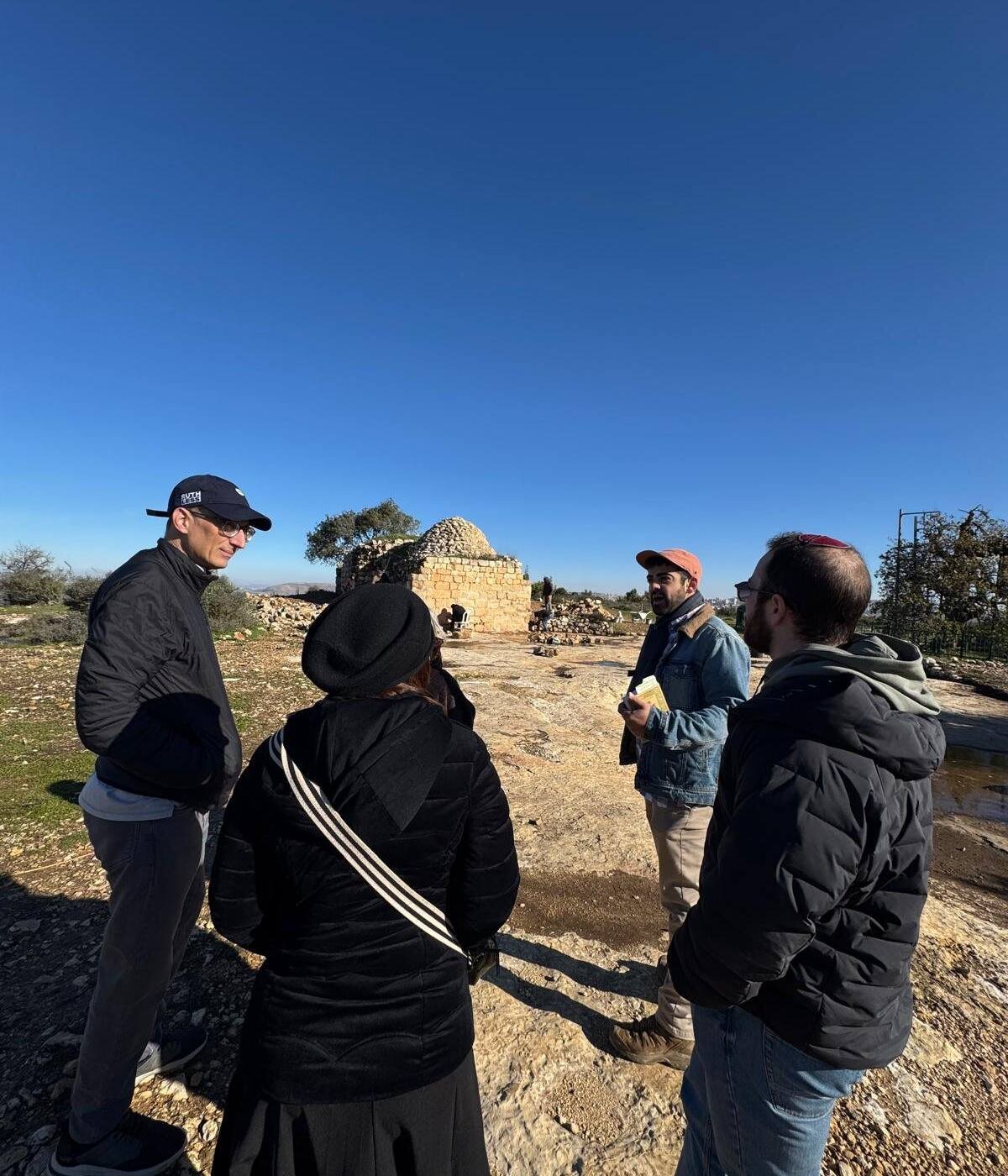
We begin at Rachel’s Tomb on the ancient road to Bethlehem, then head into the hills of Gush Etzion. At the Millennium Tower, take in sweeping views and hear stories of heroism from Elazar the Maccabee to the 1948 Nebi Daniel convoy. A stop at the Lone Oak brings the region’s history to life through an audio-visual show.
Hebron
Then we leap to Hebron, one of the most ancient cities in the world, continuously inhabited since Canaanite times over 4,500 years ago. Known in Hebrew as Ir HaAvot, the City of the Patriarchs, it is a place where biblical stories echo through the stone alleyways.
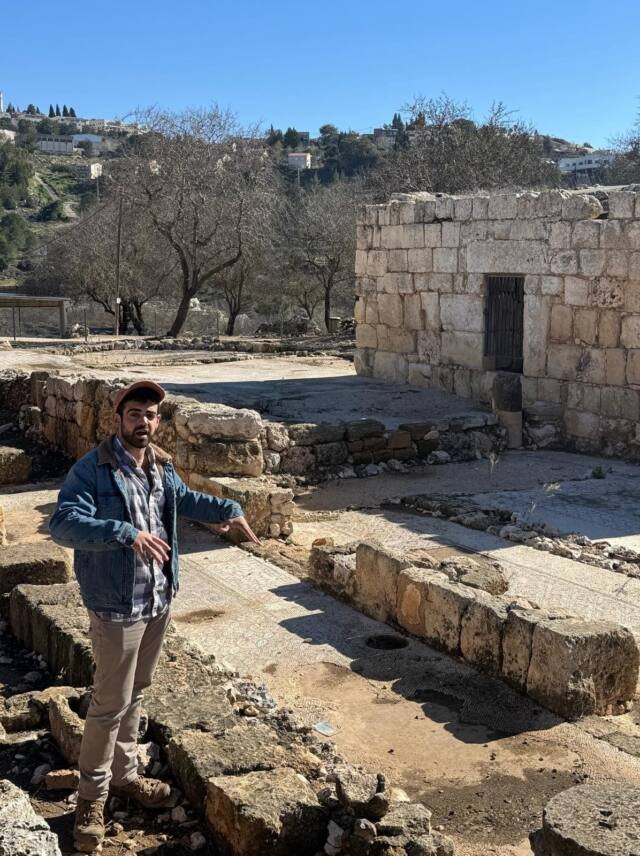
We walk to the site where Abraham bought the field to bury Sarah. We visit the tomb of Yishai, father of King David, and explore the archaeological dig of ancient Hebron. At Beit Hadassah, the first Jewish hospital, built over a century ago, we encounter a story of return and resilience.
Ma’arat HaMachpela
The tour culminates at the Cave of the Patriarchs, resting place of Abraham and Sarah, Isaac and Rebecca, Jacob and Leah: second in sanctity only to the Temple Mount. Built by Herod the Great over 2,000 years ago, it is the oldest public building in the world still serving its original purpose.
This monumental structure, built by Herod the Great over 2,000 years ago, is the oldest public building in the world still serving its original purpose. We walk through the Jewish community of the city, look honestly at the deep-rooted tensions between Jewish and Arab Hebron, and ask why Abraham insisted on purchasing this field rather than accepting it as a gift — the forefathers and foremothers of the nation are buried here, and the question of how the ground was acquired still matters.
The road of our fathers
On the way back we stop again in Gush Etzion: the battles fought over Route 60, the road of our fathers, to keep Jerusalem connected to the south of Israel; the stories of the people who settled these hills; and the geography that explains why this ridge mattered in 1948 and matters now.
Practical notes
A full day, roughly seven to nine hours, driving between the sites with walking at each.
Modest dress is required at the Cave of the Patriarchs: shoulders and knees covered, and head covering for men.
Hebron is a divided city and the day includes the tensions honestly rather than around them. Routes are planned around current conditions, and Yona will tell you what is accessible when you enquire.
The hills are exposed; bring water, a hat and sunscreen in the warmer months.